


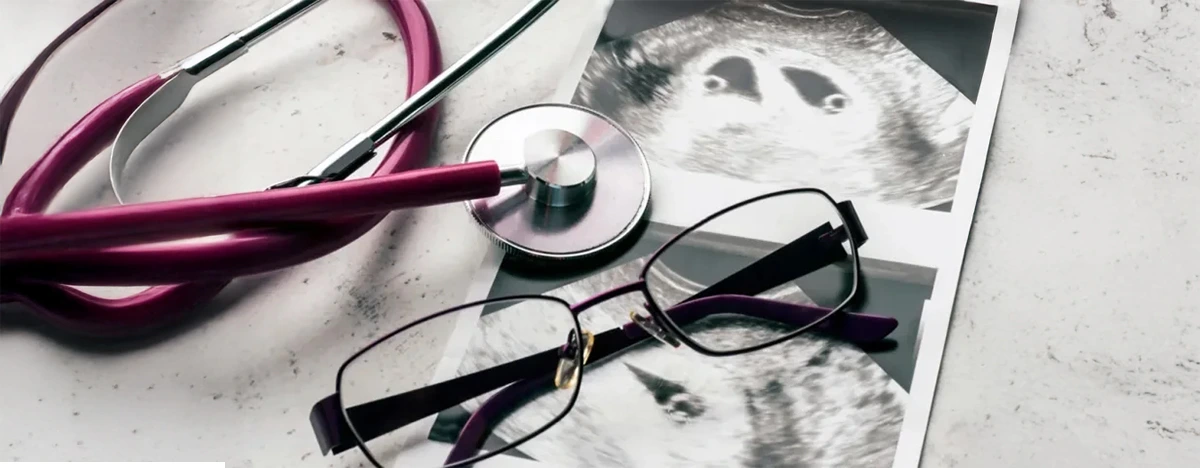
Risk Reduction in Multiple Pregnancies
What Is Fetal Reduction?
Fetal Reduction is a medical procedure used to reduce the number of fetuses in triplet or higher-order multiple pregnancies, which may occur after IVF treatment. The primary goal of Fetal Reduction procedures in Cyprus is to support a safer pregnancy and significantly reduce the risk of premature birth.
Multiple pregnancies can place additional stress on both the mother and the developing babies. By reducing the number of fetuses, doctors aim to improve the overall outcome of the pregnancy.
Although fetal reduction is generally not recommended for twin pregnancies, it may be medically advised when three or more fetuses are present in the uterus.
Why Are Multiple Pregnancies Risky?
During IVF treatment, egg donation, sperm donation, embryo donation, gender selection IVF more than one embryo may be transferred to increase the chances of pregnancy. In some cases, this can result in triplet or higher-order pregnancies.
The most significant risk associated with multiple pregnancies is premature birth and the complications that may follow.
Risks for the Baby
Premature birth may lead to several serious health conditions, including:
- Respiratory (lung) problems
- Congenital heart complications
- Brain hemorrhage
- Vision and hearing problems
- Intestinal complications
- Severe infections such as sepsis
- Anemia and neonatal jaundice
These complications may affect the baby’s long-term health and development.
Risks for the Mother
Multiple pregnancies can also increase medical risks for the mother, such as:
- Pregnancy-induced hypertension
- Preeclampsia
- Gestational diabetes
- Vaginal bleeding
- Increased risk of preterm labor
According to international medical organizations such as ACOG (American College of Obstetricians and Gynecologists), higher-order multiple pregnancies carry significant health risks.
How Is Fetal Reduction Performed?
Fetal Reduction procedures in Cyprus are usually performed between the 11th and 12th weeks of pregnancy. Performing the procedure during early pregnancy helps minimize complications.
Steps of the Fetal Reduction Procedure
The procedure generally follows these steps:
- The most appropriate fetus is identified using ultrasound guidance
- A thin needle is carefully inserted through the abdominal wall into the uterus
- The heartbeat of the selected fetus is stopped using a special potassium chloride (KCl) solution
- The remaining fetuses are closely monitored throughout the pregnancy
In most cases, the procedure does not require extended hospitalization, and the patient can return to normal daily activities shortly afterward.
Success Rates and Risks of Fetal Reduction
After Fetal Reduction treatment, the risk of losing the remaining fetuses generally ranges between 1–5%.
However, if a larger number of fetuses must be reduced, the risk may increase to approximately 10%.
Despite this risk, the probability of premature birth in triplet pregnancies is considerably high. Therefore, physicians carefully evaluate the risk–benefit balance before recommending the procedure.
The Decision-Making Process
Deciding to undergo fetal reduction can be emotionally challenging for many couples.
For families who have struggled to conceive for a long time, continuing a multiple pregnancy may feel emotionally important. However, from a medical perspective, ensuring the safest possible outcome for both the mother and the babies is the primary priority.
For this reason, the decision should be made through a multidisciplinary medical evaluation involving:
- Perinatologists
- Obstetricians and gynecologists
- IVF specialists
Fetal Reduction Cyprus – Advanced Pregnancy Care
Fetal Reduction services are supported by advanced IVF and perinatology care in specialized fertility centers.
Cyprus is increasingly preferred by international patients thanks to its modern medical infrastructure and experienced specialists.
At Dogus IVF Center:
- 32+ years of clinical experience
- Specialist perinatology and IVF team
- Advanced ultrasound imaging technology
- High standards of patient safety and care
Multiple pregnancy monitoring and fetal reduction procedures are performed when medically necessary to support safer pregnancy outcomes.
For more information about Fetal Reduction and personalized medical guidance, patients can contact the fertility center’s expert team.