


What Is OHSS (Ovarian Hyperstimulation Syndrome)? Risks and Safe IVF Treatment

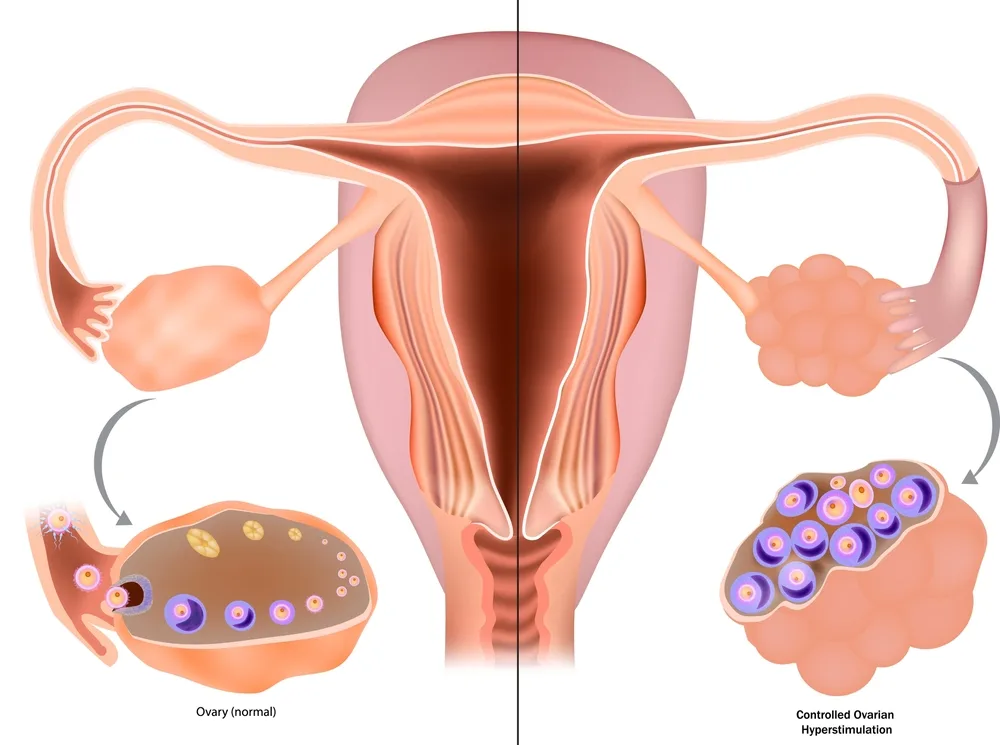
One of the main concerns for patients undergoing IVF treatment is the possibility of complications during stimulation. One of these is OHSS (Ovarian Hyperstimulation Syndrome).
While modern IVF protocols have greatly reduced the risk of OHSS, it can still occur in some high-risk patients, making early detection and correct management crucial.
What Is OHSS?
OHSS is a condition that occurs when the ovaries respond too strongly to the hormone medications used during IVF treatment.
In this situation:
- The ovaries may become enlarged
- Fluid balance in the body may be affected
- Hormone levels may rise significantly
In simple terms, it is an excessive response of the ovaries to stimulation treatment.
Why Does OHSS Occur?
OHSS is mainly caused by an over-response to fertility medications, but it does not affect every patient.
The risk is higher in
- Patients with a high ovarian reserve
- Women with polycystic ovary syndrome (PCOS)
- Younger patients
- Patients who previously showed a strong response to stimulation
One of the most important indicators of risk is the AMH test, as high AMH levels often suggest that the ovaries may respond strongly to stimulation.
Symptoms of Ovarian Hyperstimulation Syndrome
OHSS can range from mild to more severe forms.
Common symptoms include:
- Bloating and abdominal discomfort
- Mild abdominal pain
- Nausea
In more serious cases:
- Rapid weight gain
- Severe abdominal pain
- Shortness of breath
- Reduced urine output
If these symptoms occur, medical advice should be sought immediately.
Is OHSS Still a Major Risk Today?
In the past, OHSS was considered one of the most serious complications of IVF treatment. Today, however, advances in treatment planning have significantly reduced its risk.
Modern IVF is no longer focused only on retrieving more eggs, but on: achieving safe and controlled treatment cycles
High-risk patients are now identified in advance, and treatment is tailored accordingly.
How Is Ovarian Hyperstimulation Syndrome Risk Predicted?
OHSS is rarely unexpected. In most cases, it can be anticipated before treatment begins.
Key factors used in risk assessment include:
- AMH levels
- Ultrasound findings
- Ovarian structure and response patterns
This allows clinicians to plan a safer and more controlled treatment approach from the beginning.
How Is Treatment Managed in High-Risk Patients?
In patients at risk of OHSS, the treatment strategy is adjusted.
The goal is not: to retrieve the maximum number of eggs but to achieve the safest possible outcome
This may involve:
- Using lower medication doses
- Close monitoring during stimulation
- Adjusting the treatment protocol when necessary
In some cases, the most important decision is: not performing embryo transfer in the same cycle
Why Is Embryo Transfer Delayed in OHSS Risk Cases?
When the ovaries are overstimulated, the body may not be in the best condition for implantation.
Delaying the transfer helps to:
- Allow the body to recover
- Reduce the risk of OHSS worsening
- Create a more stable environment for pregnancy
This approach is known as the: Total Freeze (freeze-all strategy)
What Happens After Embryos Are Frozen?
Freezing embryos does not stop the treatment process — it simply allows for a safer continuation.
Once the body has recovered, embryo transfer is planned at a more suitable time.
This stage is called: FET (Frozen Embryo Transfer)
FET helps to:
- Stabilize hormone levels
- Improve uterine conditions
- Support better pregnancy outcomes
Ovarian Hyperstimulation Syndrome and IVF Success
Developing OHSS does not mean treatment failure. When managed correctly, it can actually lead to a safer overall treatment process.
The key factors are:
- Early identification of risk
- Correct clinical management
- Correct timing of embryo transfer
OHSS Approach at Dogus IVF Center
At Dogus IVF Center, OHSS risk is carefully assessed before treatment begins.
Our approach includes:
- AMH and ultrasound-based risk evaluation
- Individualized medication protocols
- Controlled ovarian stimulation
- Total Freeze strategy when necessary
- FET-based transfer planning
The goal is not only pregnancy, but also a safe and well-managed treatment process.
For more information about OHSS and personalized IVF treatment options, you can contact Dogus IVF Center.
Frequently Asked Questions
Is OHSS dangerous?
Most cases are mild, but it requires careful monitoring.
Who is at risk of OHSS?
Patients with high AMH, PCOS, and younger age groups are at higher risk.
Can embryo transfer be done if OHSS is present?
In most cases, transfer is delayed for safety reasons.


