


What Is the AMH Test? Ovarian Reserve, OHSS Risk, and Its Role in IVF Treatment

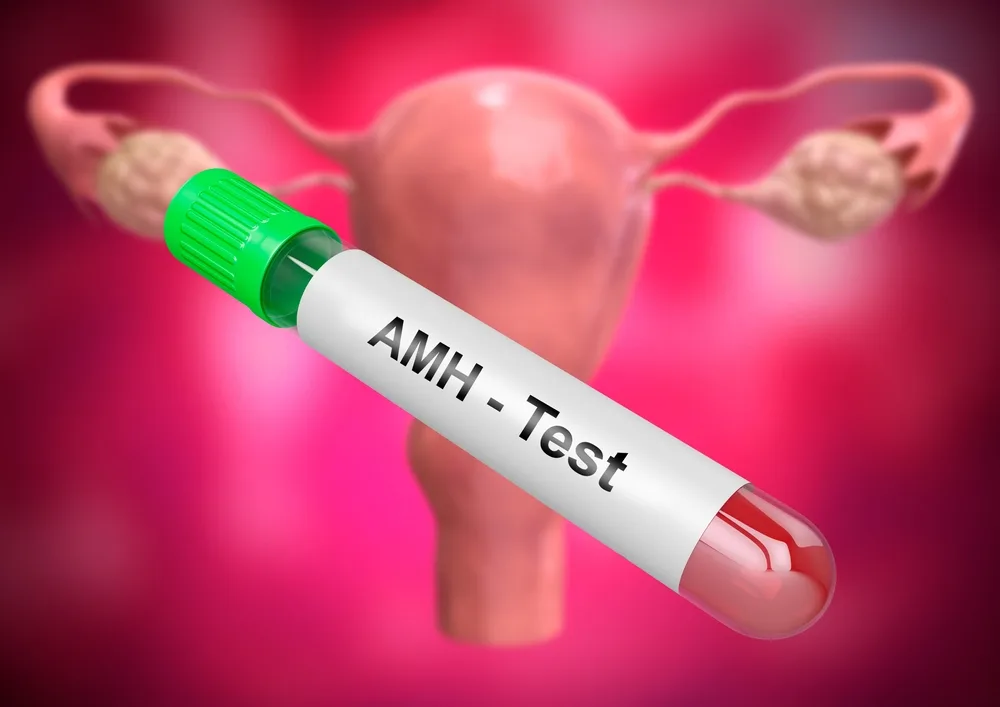
One of the most important factors in female fertility is ovarian reserve — the number and quality of eggs remaining in the ovaries. Accurately assessing this reserve plays a key role in both natural pregnancy planning and IVF treatment success. One of the most reliable and widely used tests for this purpose is the AMH test (Anti-Müllerian Hormone test).
The AMH test not only provides information about egg reserve, but also helps doctors plan the most appropriate fertility treatment strategy. For this reason, it has become one of the fundamental tools used in modern IVF treatment.
What Is the AMH Test?
AMH is a hormone produced by small follicles within the ovaries. The level of AMH in the blood gives valuable insight into a woman’s ovarian reserve.
Unlike many other hormone tests, AMH testing has several advantages:
- It can be performed on any day of the menstrual cycle
- Hormone levels remain relatively stable throughout the day
- Results are generally more consistent and reliable
Because of these features, AMH is considered one of the most dependable tests used in fertility assessment.
What Is the Purpose of the AMH Test?
The AMH test helps doctors:
- Evaluate ovarian reserve
- Plan medication protocols for IVF treatment
- Predict how the ovaries may respond to stimulation
- Assess the potential risk of OHSS before treatment begins
As a result, AMH plays a direct role in determining the safest and most effective treatment approach for each patient.
How Are AMH Levels Interpreted?
Although AMH levels vary from person to person, they are generally interpreted as follows:
- Below 0.5 ng/ml → Low ovarian reserve
- 0.5 – 1.5 ng/ml → Reduced ovarian reserve
- 1.5 – 4 ng/ml → Normal ovarian reserve
- Above 4 ng/ml → High ovarian reserve
However, AMH results should never be evaluated alone. Age, ultrasound findings, medical history, and overall clinical condition must also be taken into consideration.
What Does a Low AMH Level Mean?
A low AMH level usually indicates a reduced ovarian reserve. However, this does not mean pregnancy is impossible.
In patients with low AMH, the main goals are:
- Avoiding unnecessary delays
- Making the best use of the existing eggs
- Creating a personalized treatment plan
With the right treatment strategy, successful pregnancies can still be achieved even in patients with low AMH levels.
What Does a High AMH Level Mean?
High AMH levels generally suggest a strong ovarian reserve. However, in some cases, they may also indicate a higher risk of over-response to fertility medications.
This is especially common in:
- Patients with polycystic ovary syndrome (PCOS)
- Patients whose ovaries are highly sensitive to stimulation medications
In these situations, the ovaries may respond excessively during IVF treatment, increasing the risk of OHSS (Ovarian Hyperstimulation Syndrome), a potentially serious IVF complication.
For this reason, treatment plans for patients with high AMH levels focus not only on obtaining eggs, but also on maintaining patient safety throughout the process.
The Relationship Between AMH and OHSS Risk
One of the most important clinical benefits of the AMH test is its ability to help predict treatment-related risks in advance.
Patients with high AMH levels often respond more strongly to ovarian stimulation medications. In some cases, this can lead to fluid imbalance and the development of OHSS.
To reduce this risk, doctors may:
- Use lower or more carefully controlled medication doses
- Monitor the patient more closely during treatment
- Adjust the treatment protocol when necessary
The goal is to achieve successful treatment outcomes while minimizing the risk of complications.
How Does AMH Affect Embryo Transfer Planning?
The AMH test does not directly determine embryo quality. However, it can influence treatment planning and indirectly affect embryo transfer timing.
In patients who respond very strongly to stimulation:
- Hormone levels may rise rapidly
- The uterine environment may not be ideal for immediate embryo transfer
In such cases, instead of performing a fresh transfer, embryos may be frozen and transferred later when conditions are more suitable. This approach can improve both patient safety and pregnancy outcomes.
This process is known as FET (Frozen Embryo Transfer), which allows embryo transfer to take place in a more balanced hormonal environment.
Why Is the AMH Test So Important in IVF Treatment?
Successful IVF treatment depends on personalized care rather than a standard treatment approach. The AMH test is one of the key tools that makes individualized treatment possible.
Its benefits include:
- Determining the appropriate medication dosage
- Preventing inadequate or excessive ovarian response
- Improving treatment safety
- Helping optimize embryo transfer timing
For this reason, the AMH test is not simply a measure of ovarian reserve — it is also an important treatment planning tool.
Is the AMH Test Enough on Its Own?
No. Although the AMH test is extremely valuable, it should not be used as the sole indicator of fertility potential.
A complete fertility assessment should also include:
- The patient’s age
- Ultrasound findings (antral follicle count)
- Menstrual history
- Additional hormone evaluations
Using AMH Testing to Create Safer, Personalized IVF Treatment Plans
At Dogus IVF Center, the AMH test is evaluated as part of a comprehensive fertility assessment. All clinical findings are reviewed together to create a treatment plan that is both safe and effective.
The goal is not only to achieve pregnancy, but also to ensure that treatment is carried out in the safest possible way for each patient.
Especially in patients with high AMH levels:
- OHSS risk is carefully evaluated in advance
- Controlled ovarian stimulation protocols are used
- Embryos may be frozen when necessary to improve safety
- Embryo transfer may later be planned using FET
This individualized approach helps protect patient health while maximizing the chances of a successful pregnancy.


