


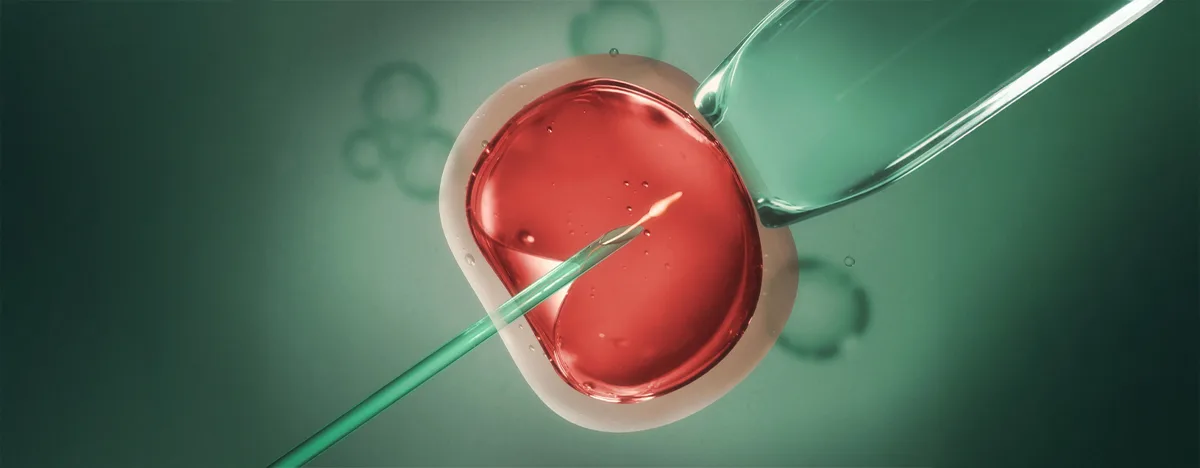
What Is Micro Chip in IVF?
Micro Chip in IVF refers to a modern sperm selection technique used during IVF treatment to help identify the healthiest sperm cells for fertilization.
Advances in assisted reproductive technologies have significantly improved IVF success rates in recent years. One of these innovations is the microchip sperm selection technique, which is designed to improve sperm selection, particularly in cases of male infertility.
This technology uses microfluidic chip systems that allow embryologists to select sperm cells with:
- Better motility
- Lower DNA fragmentation
- Higher fertilization potential
By selecting sperm with better genetic integrity, the Micro Chip in IVF technique may help improve embryo quality and support better pregnancy outcomes.
Although this technology is not yet available in all fertility clinics, many advanced IVF centers have started to implement it as part of modern laboratory techniques.
How Does Micro Chip Technology Work in IVF?
In natural conception, sperm must travel through the female reproductive tract and pass several biological barriers before reaching the egg.
The Micro Chip in IVF technique was developed to simulate this natural sperm selection process in a laboratory environment.
During this process:
- A semen sample is placed into a specially designed microfluidic chip.
- The chip contains tiny channels that mimic the natural environment of the female reproductive tract.
- Only the healthiest and most motile sperm are able to move through these microchannels.
This process allows embryologists to collect sperm cells with the best fertilization potential.
Once selected, these sperm cells are typically used in ICSI (Intracytoplasmic Sperm Injection) during IVF treatment.
Who May Benefit from Micro Chip in IVF?
Microchip sperm selection may be recommended for certain patients undergoing IVF treatment, particularly in cases of male factor infertility.
It may be beneficial for patients with:
- Poor sperm morphology
- High sperm DNA fragmentation
- Low sperm motility
- Previous IVF or ICSI failures related to sperm quality
By improving sperm selection, the Micro Chip in IVF technique aims to support the development of higher-quality embryos.
Advantages of Micro Chip Technology in IVF
Microfluidic sperm selection offers several potential advantages during fertility treatment.
Possible benefits include:
- Selection of sperm with lower DNA damage
- Improved sperm motility selection
- More natural sperm selection process
- Potential improvement in embryo development
However, IVF success depends on multiple factors such as maternal age, egg quality, embryo quality, and uterine conditions.
Micro Chip Technology at Dogus IVF Center in Cyprus
At Dogus IVF Center, advanced laboratory technologies are used to support successful IVF treatments when medically appropriate.
The Micro Chip in IVF technique may be recommended particularly for couples experiencing male infertility or previous fertilization problems.
Our embryology laboratory evaluates each patient individually and selects the most suitable laboratory techniques to improve treatment outcomes.
Cost of Micro Chip IVF Treatment
The cost of Micro Chip in IVF treatment may vary depending on the overall IVF protocol and additional laboratory procedures required.
For detailed information about treatment planning and pricing, patients can contact our fertility specialists for personalized guidance.
